

Job & Risk MappingWeek 1
List steps, systems, blast radius, and which actions need a human signature.
Agents that use your tools CRM, email, databases, browsers to complete multi-step work with approvals where risk is high.
AI agent development is about planning and acting across systems: update CRM fields, draft emails, query databases, or drive a browser when APIs are missing.
We ship agents with allow-lists, spend caps, PII redaction, and replayable traces so operations can trust and debug every run.
Capabilities we deliver under ai agent development scoped to outcomes you can measure.

Agents that call APIs, update records, draft messages, and close loops with audit trails.

Gather sources, summarize, and produce structured briefs for sales, ops, or product teams.

Multi-agent pipelines with queues, retries, and human-in-the-loop checkpoints.

When APIs are missing, controlled browser agents complete form-heavy legacy tasks.

Allow/deny lists, spend caps, PII redaction, and approval gates before irreversible actions.

Trace every step so you can debug failures and prove what the agent did.
Concrete workflows where ai agent development pays off fastest.
Pull firmographics, update CRM fields, and draft personalized first touches for AE review.
Compare options, extract pricing from approved sources, and produce a scored shortlist.
Fill legacy portals with validated data when no API exists with screenshot evidence.
Gather logs, draft status updates, and open tickets with severity suggestions.
Illustrative delivery patterns from ai agents work scoped to similar problems.
Nightly agent cleaned duplicate accounts and flagged risky edits for manager approval before write-back.
Sales team received Monday briefs with sources cited; legal blocked domains stayed out of retrieval.
Extracted fields from emails, created cases, and paused for human sign-off on payout recommendations.
We separate “read/research” from “write/act,” add budgets, and require human approval when money, messages, or deletes are involved.
Book a Discovery CallAn agent without a tool policy is a liability. We start from the smallest tool set that completes the job.
Orchestration, tool adapters, and tracing models are swappable; control planes are not.
Simulate the workflow, then unlock tools one permission at a time.
Step 01
List steps, systems, blast radius, and which actions need a human signature.
Step 02
Agent proposes actions without executing writes; we score plan quality on real tickets.
Step 03
Enable tools with allow-lists, budgets, logging, and approval queues for irreversible steps.
Step 04
Raise autonomy only where traces show stable success; keep HITL where risk stays high.
We optimize for explainable actions every tool call has a reason and a log.
Prove plans before granting write access.
Allow-lists and caps are versioned, not tribal knowledge.
High-risk steps never skip a human by accident.
Swap models without rewriting your tool layer.
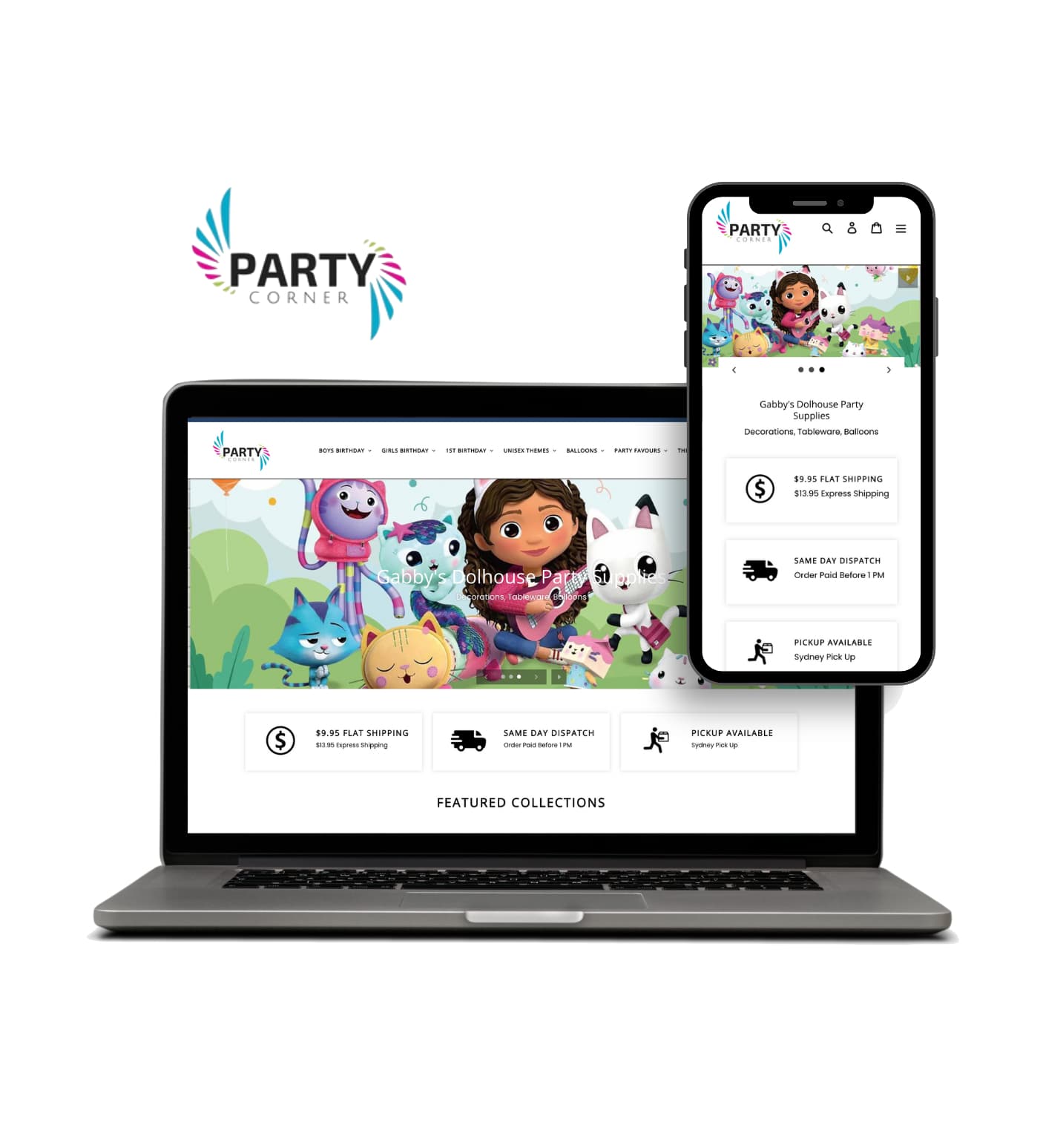
Shopify-based eCommerce website for party supplies, built for seamless shopping experiences and scalable online sales.
Visit website
WordPress business website for a professional cleaning service, designed to generate customer inquiries and qualified leads.
View project
Personal brand WordPress website created to showcase services, portfolio work, and drive client bookings.
Visit website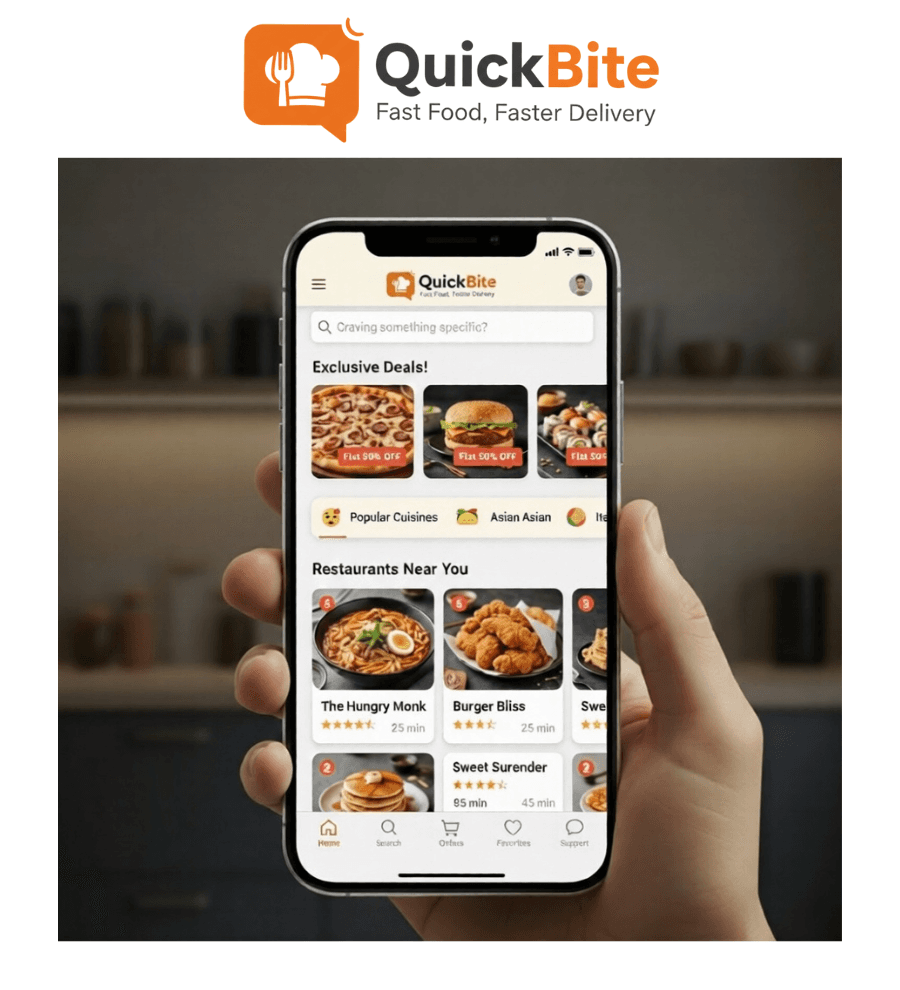
React Native food delivery app connecting users with local restaurants, featuring real-time order tracking, secure payments, and an intuitive mobile experience.
View project
Custom inventory management web application built to help retailers track stock, manage suppliers, and streamline daily operations.
View project
WordPress-based service booking website designed to showcase offerings, accept customer requests, and generate qualified business leads.
View projectStraight answers about ai agent development before you commit budget.
Chatbots mainly answer. Agents plan and take actions across tools with permissions, memory, and measurable outcomes.
With scoped tools, budgets, logging, and human approval on high-risk steps, yes. We never give unconstrained write access by default.
REST/GraphQL APIs, databases, email, Slack, CRMs, and browsers. We prefer official APIs over scraping whenever possible.
Both. We pick based on latency, cost, privacy, and capability and keep the orchestration layer portable.
The agent runs on live inputs but only proposes actions. Operators accept/reject until success rates justify automation.
Discovery + a fixed first workflow, then expand tool coverage. Retainers cover monitoring and new playbooks.
Describe the systems and the risky steps. We will propose a guarded tool map and a shadow-mode plan.
Speak with our experts and receive a tailored solution, timeline, and cost estimate.
 Mohali
 Dubai
Get practical insights on web development, digital marketing, and emerging technologies designed to help businesses scale smarter.

